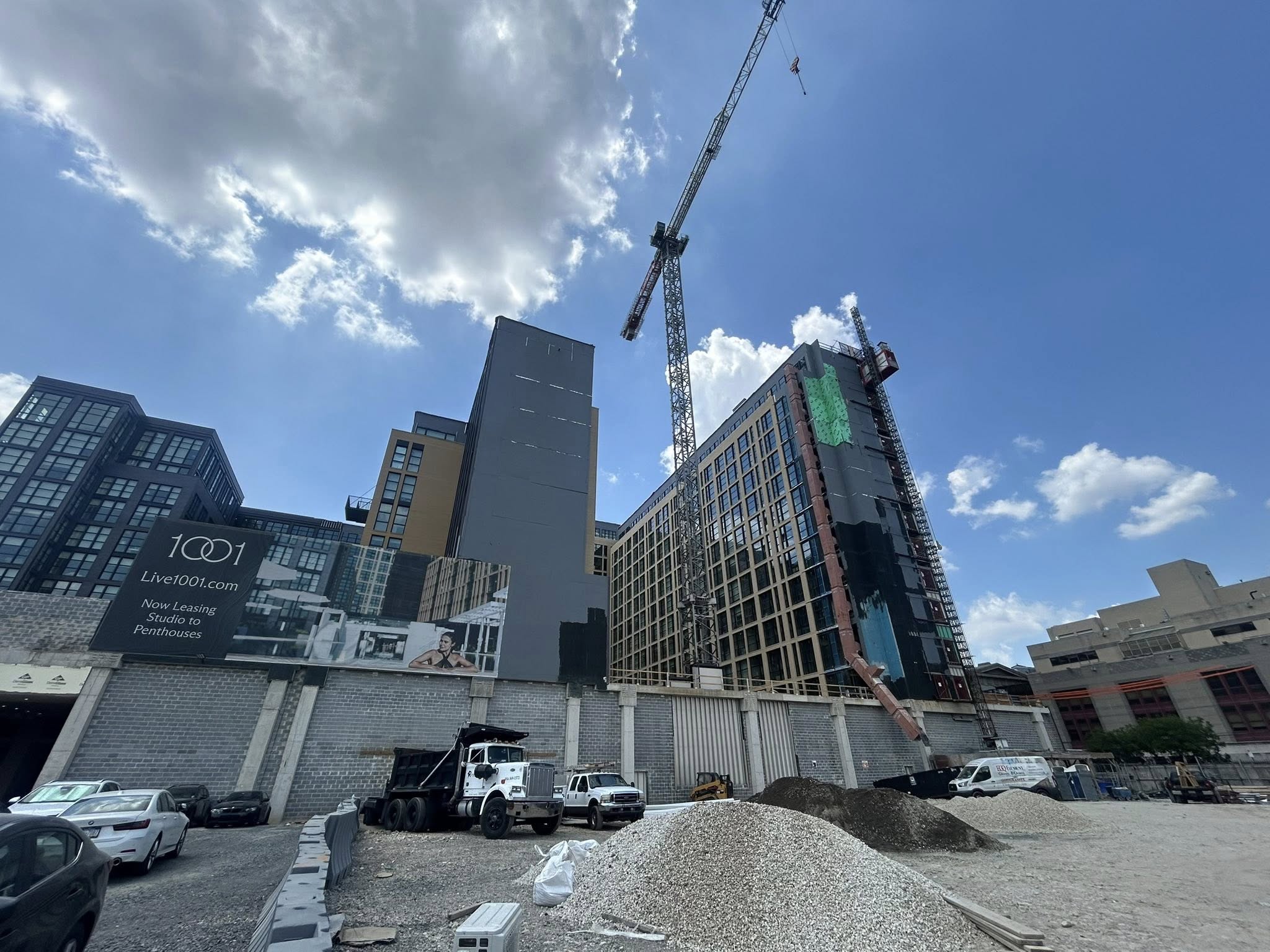
Building for Tomorrow: Incorporating Resilient Design in Modern Construction Dec 18, 2025
The core of resilient design is its ability to adapt to a changing environment, which is increasingly important as climate change continues to pose new challenges. Recent trends show a significant increase in demand for construction solutions that focus on durability and sustainability. Clients are no longer just seeking aesthetic value but are prioritizing structures that offer long-term resilience.
Implementing resilient design begins with selecting the right materials. At Rowan Enterprise, our approach involves using advanced, durable materials that not only enhance the structural integrity but also improve energy efficiency. For instance, incorporating high-performance concrete, engineered wood, and recyclable steel are key strategies that not only support structural robustness but also contribute to a more sustainable environment. These materials are designed to last longer and perform better under adverse conditions, such as extreme weather events.
Moreover, when remodeling existing structures, it's crucial to integrate resilient features that can enhance both safety and functionality. Modern updates such as reinforced roofing, impact-resistant windows, and improved insulation not only enhance the building's ability to withstand the elements but also promote energy conservation. This dual approach ensures that buildings remain secure while also reducing their carbon footprint.
Another aspect of resilient design is foresight in architectural planning. Designing buildings that anticipate future needs and challenges ensures flexibility and sustainability. This includes incorporating multipurpose spaces that can adapt to different uses over time, thus extending the utility of the construction. For commercial buildings, this could mean spaces that are easily reconfigurable as business needs change, ensuring long-term viability of the construction investment.
Technological innovations are also at the forefront of resilient design. Building Information Modeling (BIM) and other advanced planning tools enable architects and builders to simulate the impacts of potential environmental hazards before construction begins. Such tools allow Rowan Enterprise to tailor each project to the specific geographic and climatic challenges a building might face, vastly improving the resiliency and efficiency of our constructions.
Furthermore, adopting a community-centric approach is key to resilient design. This involves not just building in harmony with the local environment but also considering the needs and input of the community. Structures that integrate community resources and emergency plans can serve as vital assets in times of crisis, strengthening the social fabric of the area.
In conclusion, building for tomorrow mandates a commitment to resilient design practices that ensure our structures are prepared for future challenges. At Rowan Enterprise, we are dedicated to leading the charge in this innovative approach, creating spaces that are as enduring as they are elegant. By prioritizing sustainability, flexibility, and community engagement, we can design buildings that not only meet the needs of today's clients but also serve as lasting legacies for generations to come. For us, the focus remains clear: construct today with an eye firmly on tomorrow, ensuring the value and safety of every project we undertake.
/filters:no_upscale()/filters:format(webp)/media/5ec77cbe-0084-4871-a13a-b19a8fab2e5d.jpeg)